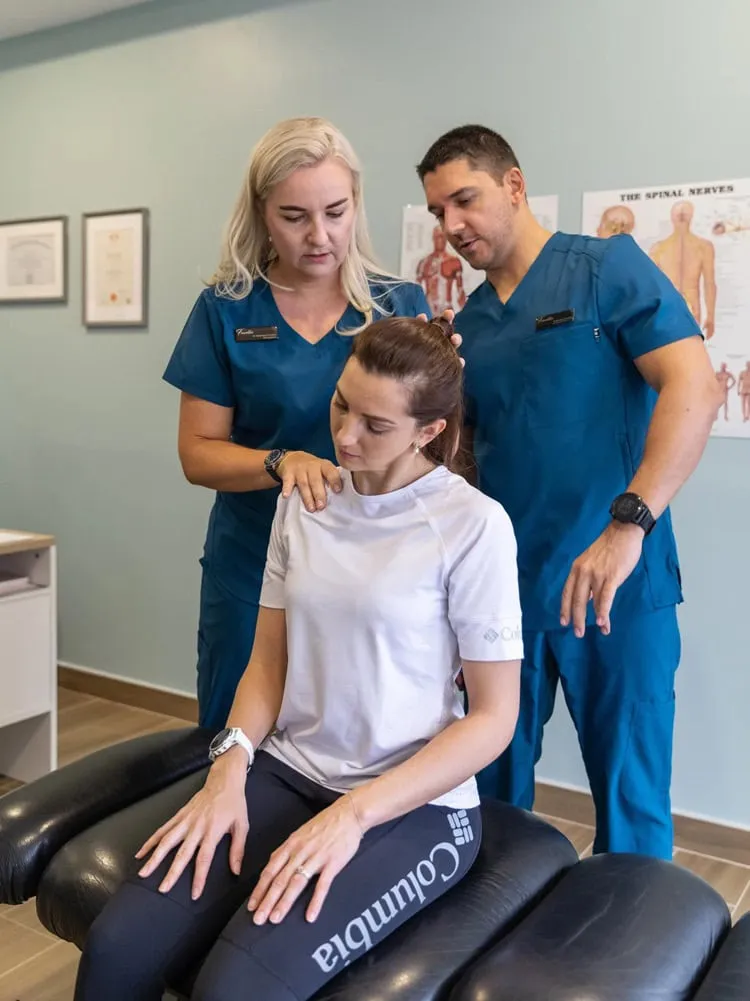
Midlife is a significant stage in a woman’s life, often bringing a mix of personal growth, professional achievement, family responsibilities, and physical changes. While many women embrace this period as an opportunity for self-discovery and renewed focus on health, it can also present unique challenges. Hormonal fluctuations, changes in metabolism, musculoskeletal discomfort, and increased stress levels can all influence overall well-being. As women seek natural and proactive ways to maintain their health during these years, chiropractic treatments have become an increasingly popular component of comprehensive wellness strategies.
Chiropractic care focuses on the relationship between the spine, nervous system, and overall body function. Through gentle adjustments and personalized treatment plans, chiropractors aim to improve movement, reduce discomfort, and support the body’s natural ability to function efficiently. For women navigating the physical and emotional transitions of midlife, chiropractic care can play a valuable role in maintaining health, mobility, and quality of life.
Understanding Women’s Midlife Health
Midlife generally refers to the years between approximately 40 and 60. During this stage, women often experience changes associated with perimenopause and menopause, alongside the natural aging process. While every woman’s experience is different, common concerns may include:
- Joint stiffness and muscle tension
- Neck and back discomfort
- Reduced flexibility
- Fatigue and low energy levels
- Changes in posture
- Increased stress and anxiety
- Sleep disturbances
- Reduced physical activity due to discomfort
These challenges can affect daily routines, work performance, exercise habits, and overall confidence. Maintaining physical health becomes increasingly important as women strive to remain active and independent throughout midlife and beyond.
The Connection Between the Spine and Overall Wellness
The spine serves as the body’s central support structure and protects the nervous system. When spinal joints lose mobility or become misaligned due to poor posture, repetitive movements, injuries, or everyday stress, the body may compensate in ways that contribute to discomfort and restricted movement.
Chiropractic treatments focus on restoring healthy joint motion and improving spinal function. By addressing areas of tension and imbalance, chiropractic care may help support better movement patterns, posture, and physical comfort.
For midlife women, maintaining spinal health can contribute to a more active lifestyle, which is essential for long-term wellness.
Addressing Common Midlife Musculoskeletal Concerns
Neck and Shoulder Tension
Many women spend long hours working at computers, caring for family members, or managing household responsibilities. These activities can contribute to chronic tension in the neck and shoulders.
Chiropractic adjustments may help improve mobility in the cervical spine and surrounding joints. Combined with stretching and ergonomic recommendations, treatment can help reduce muscle tightness and support healthier posture.
Lower Back Discomfort
Lower back discomfort is one of the most common complaints among women during midlife. Factors such as hormonal changes, decreased muscle strength, sedentary habits, and previous injuries can contribute to spinal stress.
Chiropractors evaluate movement patterns and spinal alignment to identify areas that may be contributing to discomfort. Targeted adjustments and supportive exercises can help improve mobility and function in the lower back region.
Joint Stiffness
As women age, maintaining joint flexibility becomes increasingly important. Reduced movement and everyday wear and tear can lead to stiffness in the hips, knees, shoulders, and spine.
Chiropractic care focuses on improving joint mobility and encouraging healthy movement. Regular treatment may help women remain active and participate more comfortably in exercise and recreational activities.
Supporting Healthy Posture During Midlife
Posture often changes gradually over time. Hours spent sitting, using smartphones, working on computers, and performing repetitive tasks can contribute to rounded shoulders, forward head posture, and spinal strain.
Poor posture may lead to:
- Neck discomfort
- Shoulder tension
- Headaches
- Reduced mobility
- Increased fatigue
Chiropractic treatments often include postural assessments to identify areas of imbalance. Through adjustments and posture education, women can develop healthier movement habits that support long-term spinal health.
Improved posture may also enhance breathing efficiency, physical confidence, and overall comfort throughout daily activities.
Chiropractic Care and Active Living
Regular physical activity is one of the most important components of healthy aging. Exercise supports cardiovascular health, muscle strength, balance, flexibility, and mental well-being.
However, discomfort and stiffness can discourage women from staying active. Chiropractic care may help address movement restrictions that interfere with exercise participation.
Many women report feeling more comfortable engaging in activities such as:
- Walking
- Yoga
- Pilates
- Swimming
- Cycling
- Strength training
- Recreational sports
By promoting healthy joint function and mobility, chiropractic care can support long-term participation in fitness routines that contribute to overall wellness.
Managing Stress During Midlife
Midlife often involves balancing multiple responsibilities. Women may be managing careers, supporting children, caring for aging parents, maintaining relationships, and planning for future goals.
Chronic stress can influence both physical and emotional health. It may contribute to muscle tension, headaches, poor sleep quality, fatigue, and reduced energy.
While chiropractic care is not a mental health treatment, many patients find that regular adjustments help reduce physical tension throughout the body. Relaxed muscles and improved movement can create a greater sense of physical comfort, helping individuals feel more prepared to manage daily demands.
Many chiropractors also encourage complementary wellness practices such as:
- Stretching
- Breathing exercises
- Mindfulness techniques
- Regular physical activity
- Healthy sleep habits
Together, these approaches can support a more balanced lifestyle.
Supporting Healthy Sleep Patterns
Sleep quality often changes during midlife. Hormonal fluctuations, stress, and physical discomfort may contribute to restless nights or difficulty maintaining consistent sleep schedules.
When neck pain, back discomfort, or muscle tension interfere with rest, chiropractic treatment may help improve comfort levels. Better physical alignment and reduced tension can make it easier for some women to find comfortable sleeping positions.
In addition, chiropractors frequently provide guidance regarding:
- Mattress selection
- Pillow support
- Sleeping posture
- Stretching routines before bedtime
Small improvements in physical comfort can have a positive effect on sleep quality and overall daily energy.
Encouraging Mobility and Independence
One of the primary goals of healthy aging is maintaining independence. Mobility plays a critical role in accomplishing everyday tasks, participating in social activities, and enjoying an active lifestyle.
Restricted movement can gradually affect confidence and physical performance. Chiropractic care aims to support healthy joint function, allowing women to move more comfortably and efficiently.
Maintaining mobility may help women continue enjoying activities such as:
- Traveling
- Gardening
- Hiking
- Exercising
- Playing with grandchildren
- Community involvement
Supporting movement today can contribute to greater independence in the years ahead.
Chiropractic Care as Part of Preventive Wellness
Many people seek chiropractic treatment after experiencing discomfort. However, chiropractic care is increasingly viewed as part of a proactive wellness strategy.
Preventive wellness focuses on maintaining health before significant issues develop. Regular spinal evaluations can help identify movement restrictions and postural concerns early, allowing women to address them before they become more disruptive.
A preventive approach may include:
- Routine chiropractic visits
- Posture improvement strategies
- Exercise recommendations
- Stretching programs
- Ergonomic education
- Lifestyle guidance
By focusing on long-term function rather than simply responding to discomfort, women can take an active role in preserving their health throughout midlife.
Personalized Care for Individual Needs
Every woman’s midlife journey is unique. Genetics, lifestyle habits, occupational demands, activity levels, and health goals all influence individual wellness needs.
One of the strengths of chiropractic care is its personalized approach. Chiropractors perform comprehensive assessments to understand each patient’s specific concerns and objectives.
Treatment plans may include:
- Spinal adjustments
- Joint mobilization
- Soft tissue therapies
- Corrective exercises
- Postural training
- Lifestyle recommendations
This individualized care allows women to receive support tailored to their unique circumstances and health priorities.
Combining Chiropractic Care with Healthy Lifestyle Choices
The greatest benefits often occur when chiropractic treatment is combined with healthy lifestyle habits. Women can maximize their wellness efforts by focusing on:
Balanced Nutrition
A nutrient-rich diet supports energy, muscle function, bone health, and overall well-being.
Regular Exercise
Movement strengthens muscles, improves flexibility, and supports healthy aging.
Stress Management
Mindfulness, hobbies, social connections, and relaxation techniques help promote emotional balance.
Quality Sleep
Consistent sleep supports recovery, cognitive function, and physical health.
Preventive Healthcare
Routine medical checkups and wellness screenings remain important throughout midlife.
Chiropractic care can complement these healthy habits by helping women move more comfortably and maintain better physical function.
Looking Ahead to Healthy Aging
Midlife represents an important opportunity to invest in long-term health. Rather than viewing aging as a period of decline, many women are embracing proactive wellness strategies that allow them to remain strong, active, and engaged.
Chiropractic treatments can serve as a valuable part of this approach by supporting spinal health, mobility, posture, and physical comfort. Whether addressing existing discomfort or focusing on preventive wellness, chiropractic care offers a natural and patient-centered option for women seeking to maintain an active lifestyle.
As women navigate the physical transitions of midlife, prioritizing movement, self-care, and overall well-being can create a foundation for healthy aging. Through a combination of chiropractic support, healthy lifestyle habits, and proactive wellness practices, women can continue to thrive during midlife and enjoy a vibrant, active future.